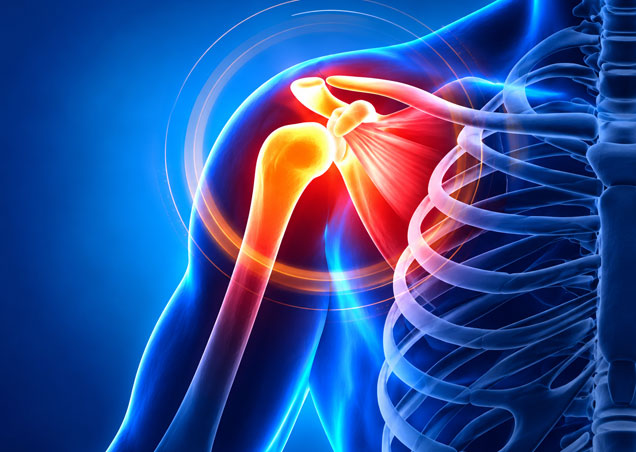
Joint pain is a common problem that can affect people of all ages. It may develop gradually because of ageing, overuse or an existing joint condition, or it may occur suddenly after an injury. While occasional discomfort may improve with rest, persistent or worsening joint pain should not be ignored.
Whether you experience knee pain while walking, shoulder stiffness when lifting your arm, hip discomfort or pain in your hands and ankles, understanding the cause is important. An orthopaedic specialist can assess your symptoms, identify possible underlying conditions and recommend an appropriate treatment plan.
Knowing when to seek medical advice can help you manage joint problems and maintain mobility and quality of life.
Joint pain refers to discomfort, soreness or stiffness in the areas where two or more bones meet. It can affect one joint or several joints and may range from mild discomfort to severe pain that interferes with everyday activities.
Joints depend on cartilage, ligaments, tendons, muscles and other supporting structures to function properly. Injury, inflammation, wear and tear or certain medical conditions can affect these structures and lead to pain or restricted movement.
The location, duration and severity of symptoms can help a healthcare professional determine which investigations or treatments may be needed.
Joint pain can have several causes. Some of the most common conditions and contributing factors include:
Osteoarthritis is a joint condition associated with changes in cartilage and other joint structures. It commonly affects the knees, hips, hands and spine. Symptoms may include pain during movement, stiffness after rest and difficulty performing routine activities.
Falls, sudden twisting movements, sports activities and accidents can damage ligaments, tendons, cartilage or bones. These injuries may cause pain, swelling, bruising and difficulty moving the affected joint.
Different forms of arthritis can cause joint pain, swelling and stiffness. Some inflammatory conditions may affect several joints and cause symptoms that are more noticeable in the morning. A medical assessment helps distinguish between different causes.
Tendons connect muscles to bones, while ligaments help stabilise joints. Overuse, repetitive movements or sudden injuries can damage these structures and cause discomfort, tenderness or reduced joint function.
Changes in joint tissues over time can contribute to stiffness, reduced flexibility and discomfort. However, persistent pain should not automatically be considered a normal part of ageing.
Certain infections, inflammatory diseases and metabolic conditions can also cause joint symptoms. A hot, swollen joint accompanied by fever may indicate a serious problem and requires urgent medical assessment.
Not every episode of joint discomfort requires specialist treatment. However, you should arrange a medical evaluation if your symptoms persist, recur or interfere with your daily routine.
An orthopaedic specialist can assess these symptoms and determine whether you need further investigations, rehabilitation, medication or another form of treatment.
Some joint problems require immediate medical evaluation. Seek urgent care if you experience:
These symptoms may indicate a fracture, dislocation, joint infection or another serious condition. Do not attempt to force a painful joint to move or manipulate a suspected fracture. Seek immediate medical assessment.
The first step towards effective treatment is identifying the underlying cause of your joint pain. Your orthopaedic specialist may recommend the following assessments based on your symptoms.
Your doctor will ask about when the pain started, its location, the severity of symptoms, previous injuries and any activities that make the pain better or worse. The examination may assess swelling, tenderness, joint stability and range of movement.
X-rays may help identify fractures, changes associated with arthritis and certain structural problems. Depending on the suspected condition, your doctor may recommend an MRI, ultrasound or other imaging tests.
Blood tests may be recommended when an inflammatory condition, infection or another medical cause is suspected. In selected cases, analysis of fluid from the affected joint may also be necessary.
Not everyone needs every test. Investigations are selected according to the clinical findings and suspected diagnosis.
Treatment depends on the cause of the pain, the joint involved, the severity of the condition and your overall health. Many joint problems can initially be managed without surgery.
Temporarily reducing activities that worsen the pain may help certain minor injuries recover. Prolonged inactivity, however, may contribute to stiffness and weakness. Your healthcare professional can advise you on safe activity levels.
Physiotherapy may help improve joint movement, muscle strength, balance and flexibility. A personalised rehabilitation programme can also support recovery following certain injuries or surgical procedures.
Depending on the diagnosis, a doctor may recommend medication to manage pain or inflammation. The choice of treatment depends on your medical history, other medicines and potential side effects. Avoid prolonged self-medication without medical advice.
Appropriate physical activity, strengthening exercises and weight management may reduce stress on weight-bearing joints and support mobility. Your plan should be adapted to your condition and physical abilities.
Surgery may be considered when a structural problem, significant injury or advanced joint condition cannot be adequately managed with non-surgical treatment. Depending on the diagnosis, procedures may include arthroscopy, ligament repair, fracture fixation or joint replacement.
Surgery is not necessary for every patient with joint pain. Your orthopaedic specialist can explain the potential benefits, risks and alternatives before treatment decisions are made.
Healthy daily habits can help support joint function and reduce avoidable strain. Consider these practical steps:
If an activity causes increasing pain, modify or stop it and seek advice when symptoms persist. Early assessment can help clarify the problem and guide a safe return to activity.
Consider a consultation if joint pain persists, repeatedly returns, causes swelling or stiffness, or interferes with daily activities. Severe pain, a suspected fracture or a hot swollen joint with fever requires urgent medical assessment.
No. Joint pain may result from injuries, overuse, tendon problems, infections, inflammatory conditions or other causes. A clinical assessment helps identify the reason for your symptoms.
Yes. Depending on the underlying condition, treatment may include activity modification, physiotherapy, medication and lifestyle changes. Surgery is considered when clinically appropriate.
No. Your doctor may be able to assess some conditions through your medical history and physical examination. Imaging is recommended when needed to clarify the diagnosis or guide treatment.
The appropriate level of activity depends on the cause and severity of your pain. Gentle movement may help certain conditions, but strenuous exercise can worsen some injuries. Seek medical advice if pain persists or worsens with activity.
Orthopaedic specialists diagnose and manage conditions involving bones, joints, muscles, ligaments and tendons, including injuries that may require surgery. Rheumatologists specialise in inflammatory and autoimmune conditions affecting joints and other tissues. Your doctor can help determine which specialist is most appropriate.
Joint pain should not become a barrier to your everyday activities. Recognising symptoms, understanding possible causes and seeking timely medical advice can help you make informed decisions about your treatment.
Whether you are experiencing persistent knee pain, shoulder stiffness, hip discomfort or a sports-related injury, an orthopaedic evaluation can help identify the problem and guide appropriate care.
Every patient is different. The right treatment plan should be based on your diagnosis, symptoms, activity level and individual healthcare needs.
Consult an orthopaedic specialist to understand the cause of your joint pain and explore suitable treatment options for better mobility and everyday comfort.
Book an Appointment